
Spotlight

Gavin Newsom condemns Democrats’ ‘climate hushing’, predicts Trump’s downfall and expects AOC to run in 2028

Democrats must show links of climate shocks to ‘kitchen table’ issues, California governor says
Read MoreHow You Get Involved
Events

About The 89 Percent Project: The People Behind the Numbers
The 89 Percent Project is an ongoing global journalistic effort to explore a pivotal but little-known fact about climate change: The overwhelming majority of the world’s people — between 80 and 89%, according to recent science — want governments to take stronger action. But that fact is not reflected in our news coverage, which helps explain why the 89% don’t know that they are the global majority.
The 89 Percent Project launched in April 2025 with a CCNow Joint Coverage Week focused on the people who comprise this silent climate majority. And the second phase began in October 2026, when newsrooms around the world put faces behind the numbers: Who are the 89%? How do their numbers vary across countries and gender and generational lines? What kinds of action do they want governments to take?
Sustained global interest in The 89 Percent Project has proven the ongoing need for this initiative.
The Guardian, our lead partner in the 89 Percent Project, launched a call-out soliciting stories from their readers. Other newsrooms around the world chipped in too. Check out the Stories section of the site for clips.
We welcome whatever approach to the story works for your newsroom. Read our FAQ to learn more, or reach out to editors@coveringclimatenow.org to chat.
Stories
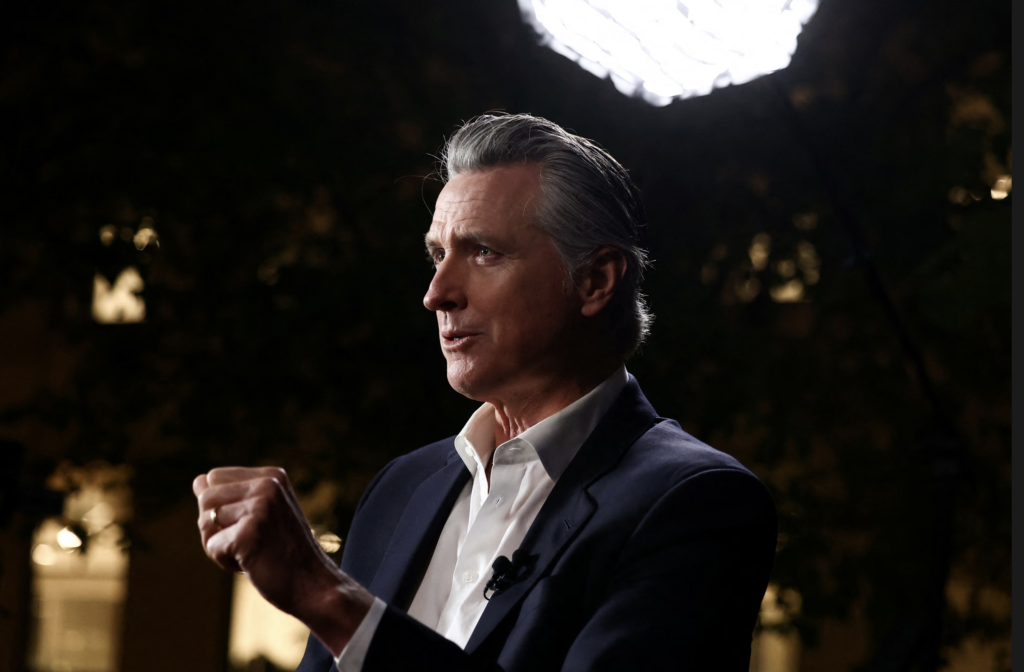
Gavin Newsom condemns Democrats’ ‘climate hushing’, predicts Trump’s downfall and expects AOC to run in 2028
Democrats must show links of climate shocks to ‘kitchen table’ issues, California governor says

‘A silent majority’: MPs underestimate support for green policies, study reveals
Exclusive: From solar subsidies to meat taxes, minority rightwing voices appear to drown out the consensus


How Climate Change Has Changed How Companies Advertise
Since the 1940s, advertising has shifted from collective mobilization to individualized guilt tactics

Where the Humanities and Climate Science Collide
Perhaps climate science’s greatest pitfall is its austere lack of emotion. The earth may be suffering, but a graph of rising emissions, an intangible measure, has never been emotionally arousing.